For most countries, rising sea levels are one climate risk among many. For small island developing states, particularly low-lying atolls in the Pacific and Indian oceans, they are a question of long-term survival. Many of these nations sit only a few meters above sea level and contribute a tiny share of global emissions, yet they face some of the most direct consequences of a warming planet. In response, they have become some of the world’s most inventive planners for climate adaptation.
Why Islands Are So Exposed
Sea level rise is driven mainly by two processes: water expanding as it warms and the melting of land-based ice in glaciers and ice sheets. Even modest increases can have outsized effects on low islands.
The problem is not only permanent flooding. Higher seas amplify storm surges and “king tides,” pushing salt water further inland. Saltwater can seep into freshwater lenses, the thin layers of groundwater that many atolls depend on for drinking water and agriculture. Coastal erosion can wash away homes, roads and burial grounds. Coral reefs, which protect shorelines by breaking waves, are themselves stressed by warming and acidifying oceans.
Building Defenses, Hard and Soft
Island governments are using a combination of engineered and nature-based protections. Each has strengths and weaknesses:
- Seawalls and revetments can protect critical infrastructure such as airports, hospitals and ports, but they are expensive and can worsen erosion on neighboring stretches of coast.
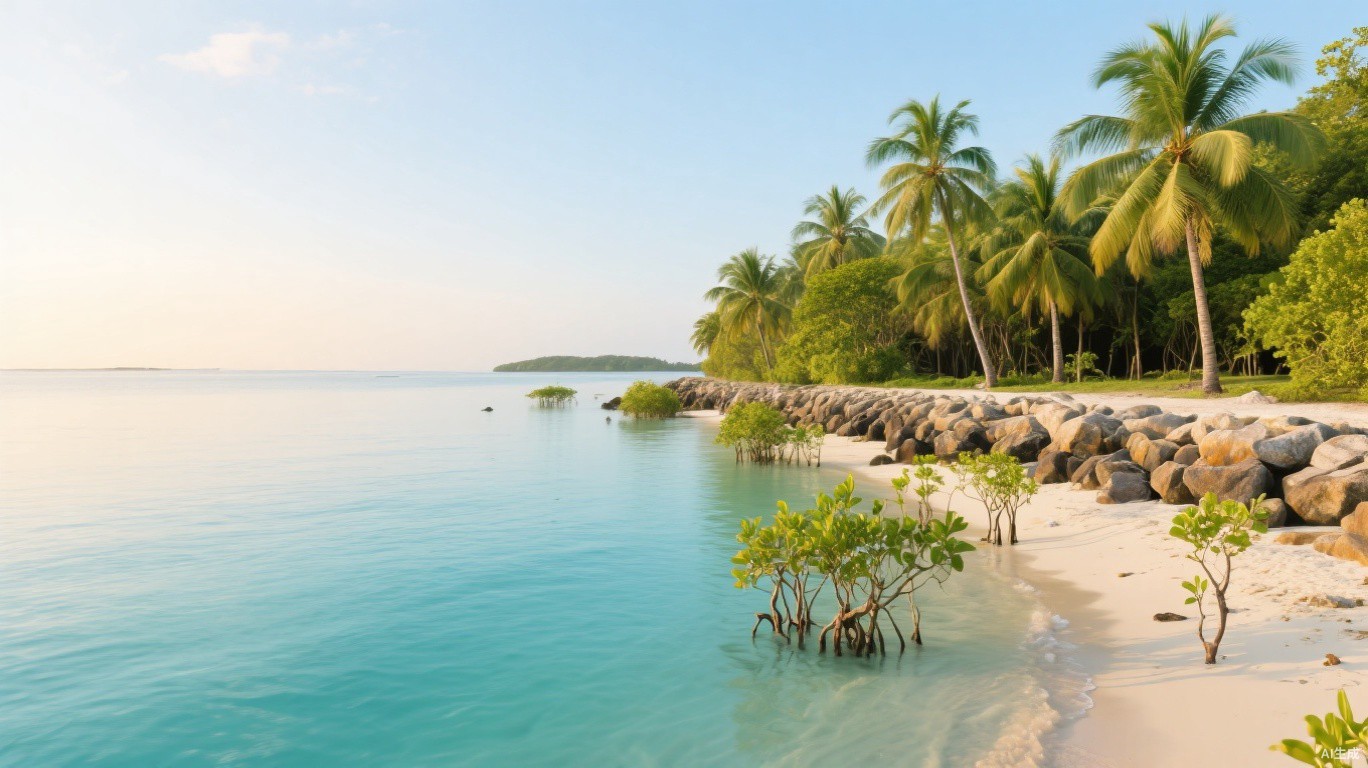
- Mangrove restoration stabilizes shorelines, absorbs wave energy and supports fisheries, though young mangroves need years to establish.
- Coral reef protection helps maintain natural breakwaters and supports tourism and food security.
- Beach nourishment, adding sand to eroding shorelines, offers temporary relief but must be repeated.
- Raising land and buildings, including elevating homes on stilts or reclaiming higher ground.
Some nations are exploring large-scale land reclamation to create elevated areas where communities and key services could relocate over time. These projects are costly and complex, but they reflect a determination to remain in place for as long as possible.
Planning for Movement
Relocation is a painful subject. For island communities, land is bound up with identity, ancestry and culture. Yet planners recognize that some movement, whether within a country or across borders, may become necessary.
Approaches vary. Some governments are planning managed retreat from the most vulnerable coastal strips to higher areas within the same island. Others have explored purchasing land abroad as a long-term safeguard for food security or potential resettlement. Regional agreements, including labor mobility schemes with larger neighbors, can provide pathways for people to move with dignity and choice rather than as displaced refugees.
A community leader from a Pacific atoll, speaking at a regional forum, framed it this way: the goal is to ensure that if people ever must move, they move on their own terms and carry their culture with them.
For island nations, adaptation is not only about keeping the ocean out; it is about keeping a nation together.
Statehood in a Changing World
Rising seas raise unusual legal questions. Maritime boundaries, including exclusive economic zones that grant rights to fisheries and seabed resources, are traditionally measured from coastlines. If coastlines shift or islands become uninhabitable, could a country lose those rights or even its status as a state?
Many island nations have argued that maritime boundaries, once established, should remain fixed regardless of physical changes to coastlines. This position has gained growing support in international forums. Some countries have also begun creating digital records of their land, cultural heritage and government services, an effort sometimes described as “digital statehood,” to preserve national identity and continuity whatever the future holds.
Financing the Response
Adaptation is expensive, and small economies have limited resources. Many island states depend on international climate finance, development banks and bilateral partners to fund defenses and planning. Accessing that money can be slow and bureaucratic, and small governments often lack the staff to navigate complex application processes.
Island nations have long advocated for simpler access to funding and for support to address loss and damage, the harms that adaptation alone cannot prevent. They have also been influential voices in global climate negotiations, arguing that limiting warming is the most effective adaptation measure of all.
What Comes Next
The future for small island states will depend on two parallel tracks. The first is local: continued investment in coastal protection, freshwater security, resilient housing and community planning. The second is global: the pace at which the world reduces emissions and the support wealthier nations provide.
Island nations are often described as the “canaries in the coal mine” of climate change, but that phrase understates their role. They are also laboratories of adaptation, testing ideas in law, engineering and community planning that other coastal regions may one day need. Their experience offers a reminder that resilience is as much about people and institutions as it is about walls and water lines.