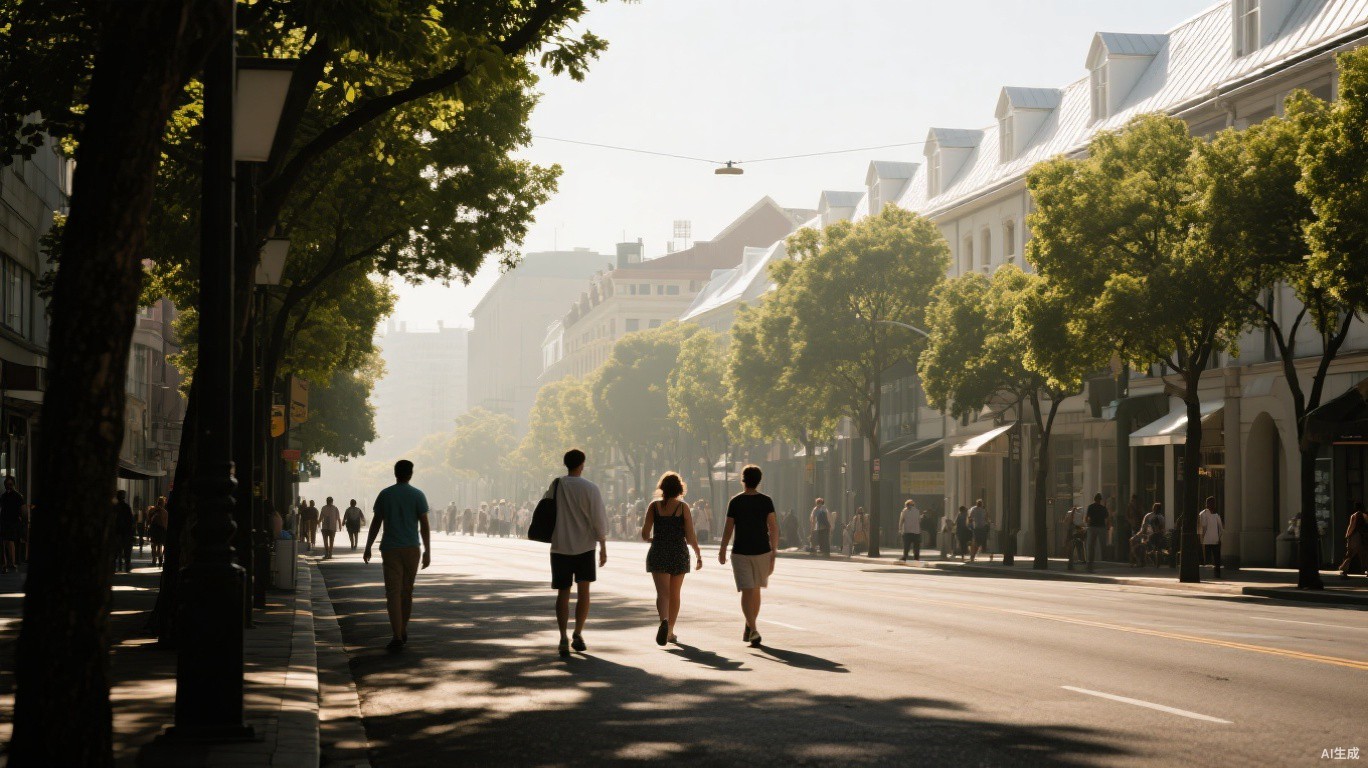
Heat waves rarely make for dramatic photographs, but they are among the most dangerous weather events cities face. Unlike floods or storms, extreme heat leaves little visible damage, yet it strains power grids, disrupts work and poses serious risks to older adults, outdoor workers and people without access to cooling. As hot spells grow longer and more frequent in many regions, cities from Southern Europe to South Asia are treating heat as a core planning challenge rather than an occasional emergency.
Why Cities Get So Hot
Urban areas are often several degrees warmer than surrounding countryside, a phenomenon known as the urban heat island effect. Dark asphalt and rooftops absorb sunlight during the day and release it slowly at night. Dense buildings trap warm air and block breezes. Air conditioners, vehicles and industry add waste heat of their own.
The nighttime part of this equation is especially important. When temperatures stay high after sunset, the human body has less opportunity to recover, which is one reason prolonged heat waves are more harmful than a single hot afternoon. Neighborhoods with little greenery and older, poorly insulated housing tend to feel these effects most acutely.
Cooling the Built Environment
Many of the most effective responses are surprisingly low-tech. Cities are experimenting with a range of physical changes:
- Cool roofs and pavements that use reflective coatings or light-colored materials to bounce sunlight away rather than absorb it.
- Urban tree planting, which provides shade and cools the air through evaporation from leaves.
- Green roofs and walls that insulate buildings and reduce surface temperatures.
- Water features and misting stations in public squares and transit stops.
- Shade structures such as canopies, awnings and covered walkways along busy pedestrian routes.
Some Mediterranean and Middle Eastern cities have long used traditional design techniques, including narrow streets, courtyards and thick walls, to keep spaces cooler. Planners elsewhere are revisiting those ideas and adapting them to modern buildings.
Tree planting deserves special mention because its benefits extend well beyond temperature. Trees improve air quality, manage stormwater and make streets more pleasant to walk. The challenge is that young trees take years to mature, need water during droughts and compete for space with underground utilities. Successful programs typically pair planting with long-term maintenance budgets.
Heat leaves little visible damage, which is precisely why it is so easy for cities to underestimate.
Systems, Not Just Surfaces
Physical changes work best when paired with coordinated public systems. A growing number of cities have appointed officials dedicated to heat resilience, tasked with bringing together health departments, utilities, transport agencies and community groups.
Heat-health warning systems are a key tool. When forecasts indicate dangerous temperatures, authorities can open cooling centers in libraries and community halls, extend opening hours at public pools, adjust outdoor work schedules and send alerts to residents. Some systems use tiered categories, similar to hurricane scales, to help the public understand how serious an upcoming heat event is likely to be.
Outreach matters as much as infrastructure. Older people living alone may not hear public alerts or may be reluctant to leave home. Programs that rely on neighbors, volunteers or social workers to check on vulnerable residents have proven valuable in many places. An urban health researcher in southern Spain put it plainly: the most important cooling technology in a heat wave is often a phone call from someone who cares.
The Energy Question
Air conditioning is the most obvious answer to rising temperatures, and access to it can be lifesaving. But widespread use creates its own problems. Peak electricity demand during heat waves can strain grids and raise the risk of outages, and older units often use refrigerants and energy sources that contribute to the warming that drives demand in the first place.
Cities and national governments are responding with efficiency standards for cooling equipment, incentives for heat pumps that can both heat and cool efficiently and building codes that require better insulation and shading. Passive design, which keeps buildings cool without mechanical systems, is gaining attention as a way to reduce reliance on air conditioning altogether.
Equity at the Center
Heat does not affect everyone equally. Lower-income neighborhoods frequently have fewer trees, more pavement and older housing. Renters may have limited ability to install insulation or cooling. Outdoor workers in construction, agriculture and delivery face prolonged exposure during the hottest hours.
For this reason, many heat plans now map temperatures street by street and direct investment toward the hottest and most vulnerable areas first. Labor protections, such as mandatory rest breaks, access to water and adjusted shift times, are also becoming part of the conversation in several countries.
What Comes Next
No single measure will make cities comfortable during extreme heat. The most promising approaches combine many modest interventions: more shade, cooler materials, smarter buildings, reliable warnings and strong community networks. Together, they can reduce temperatures, protect health and keep essential services running.
The cities that adapt best will likely be those that treat heat as a permanent design condition, built into zoning rules, budgets and emergency plans. For residents, that could mean greener streets and more livable neighborhoods year-round, not just relief during the next heat wave.