
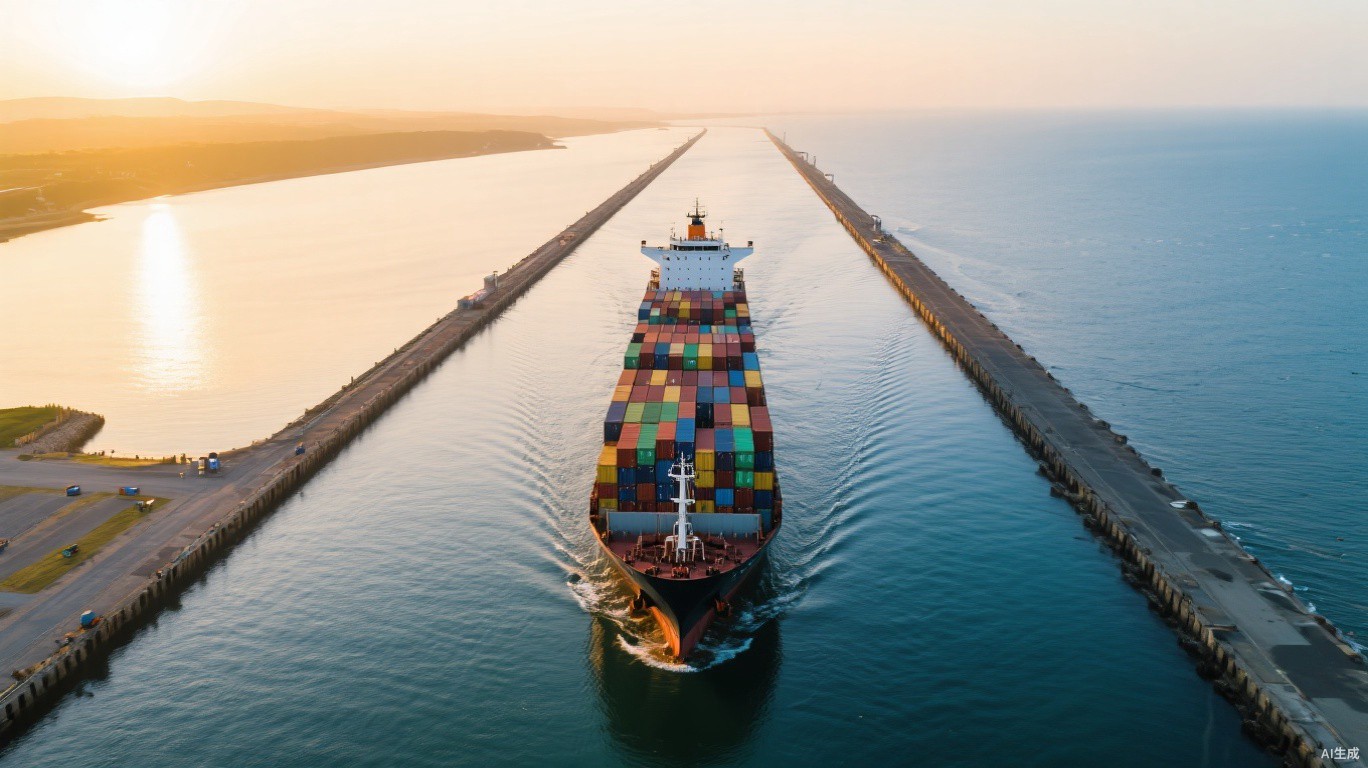
Roughly four-fifths of the goods traded around the world travel by sea, yet most consumers only think about shipping when something goes wrong. Over the past several years, a run of disruptions has turned ocean logistics from a quiet background system into a boardroom priority. The result is a slow but meaningful redrawing of the routes, ports and partnerships that keep shelves stocked from Lagos to Los Angeles.
The Problem With Chokepoints
Global shipping depends on a handful of narrow passages. The Suez Canal, the Panama Canal, the Strait of Malacca and the Bab el-Mandeb strait each funnel an outsized share of world trade through waters only a few miles wide in places. When any one of them is constrained, the effects ripple outward within days.
Disruptions come in many forms. A grounded vessel can block a canal. Regional insecurity can make insurers raise premiums or refuse cover. Drought can lower water levels in a lock-based canal, forcing operators to limit the number and weight of ships passing through. Each scenario pushes carriers toward longer detours, which add fuel costs, extend delivery times and tie up vessels that would otherwise be carrying more cargo.
For shippers, the lesson has been that the cheapest route on paper is not always the most reliable one in practice. Many logistics planners now build contingency routes into contracts from the start rather than improvising when a crisis hits.
From Just-in-Time to Just-in-Case
For decades, manufacturers optimized for lean inventories. Parts arrived exactly when needed, warehouses stayed small and capital was freed up for other uses. That model worked well when transit times were predictable. It looks far riskier when a single delay can idle an assembly line.
Companies are responding with a mix of strategies rather than abandoning efficiency altogether:
- Holding more buffer stock of critical components, particularly those with a single supplier.
- Diversifying suppliers across several countries so that one regional disruption does not halt production.
- Nearshoring or “friendshoring”, moving some production closer to end markets or to trading partners seen as stable.
- Splitting shipments across multiple carriers and ports to avoid concentration risk.
- Investing in visibility tools that track containers in near real time and flag delays early.
None of these choices is free. Extra inventory ties up cash, and diversified supply chains are more complex to manage. But many firms now treat that cost as a form of insurance.
The cheapest route on paper is no longer the whole story; reliability has become a price that companies are willing to pay.
Climate Is Reshaping the Map
Weather and climate are becoming structural factors in route planning, not just seasonal nuisances. Low rainfall can restrict canal operations that depend on freshwater reservoirs. Stronger storms can close ports for days and damage infrastructure. Rising temperatures affect working conditions for dockworkers and can strain refrigerated cargo systems.
At the same time, retreating Arctic sea ice has revived interest in northern routes that could shorten some voyages between Asia and Europe. In practice, these routes remain seasonal, require ice-class vessels or escorts and raise serious environmental concerns about fragile ecosystems. Most analysts see them as a niche supplement rather than a replacement for established lanes.
Shipping is also under pressure to cut its own emissions. Carriers are experimenting with alternative fuels such as methanol and ammonia, retrofitting ships for better efficiency and practicing “slow steaming,” which reduces speed to save fuel. These shifts influence which ports can serve the next generation of vessels, since new fuels require new bunkering infrastructure.
Ports Compete for a New Role
As routes shift, ports are competing to become dependable hubs. Investment is flowing into deeper berths, automated cranes, digital customs systems and better rail connections inland. Smaller regional ports that once handled overflow are positioning themselves as alternatives for shippers seeking to avoid congestion at the largest gateways.
A port operations manager in northern Europe described the shift in simple terms: customers no longer ask only how fast cargo can be unloaded, but how quickly it can be rerouted if plans change. Flexibility, in other words, has become a selling point.
Inland logistics matters just as much. A container that reaches port on time but then waits a week for a truck or train has not really arrived. Governments in several regions are funding rail corridors and dry ports, inland facilities where customs clearance and container handling happen away from crowded coastlines.
What It Means for Consumers
For most households, these changes show up indirectly. Shipping costs are one component of retail prices, so prolonged disruptions can contribute to higher costs for imported goods. Product availability may also shift, with retailers sometimes favoring items that can be sourced closer to home.
There are potential upsides as well. More resilient supply chains may mean fewer empty shelves during the next crisis, and investment in cleaner shipping could reduce the environmental footprint of everyday purchases over time.
The Bottom Line
Global shipping is not being reinvented overnight. The great trade lanes connecting Asia, Europe and the Americas will remain the backbone of commerce for decades. What is changing is the mindset around them. Companies and governments are accepting that disruption is a recurring feature rather than a rare event, and they are designing systems with more redundancy, more visibility and more options.
The next few years are likely to bring continued experimentation with fuels, routes and regional manufacturing. The winners will probably be those that balance cost with resilience, treating the world’s sea lanes not as a fixed map but as a network that must be able to bend without breaking.