Tires are easy to forget until something goes wrong. Yet they are the only part of a vehicle that actually touches the road, influencing braking, handling, fuel efficiency and comfort. Replacing a full set can be a significant expense, which makes getting the most life out of them both a safety issue and a financial one. Fortunately, a handful of simple habits can make a real difference.
Keep Tire Pressure Right
Proper inflation is the most important factor in tire longevity. Underinflated tires flex more as they roll, generating heat and wearing faster along the outer edges. Overinflated tires wear more in the center and can reduce grip. Both conditions affect handling and braking.
The correct pressure for your vehicle is listed on a placard usually found inside the driver’s door jamb or in the owner’s manual. It is not the maximum pressure printed on the tire sidewall, which is a common source of confusion.
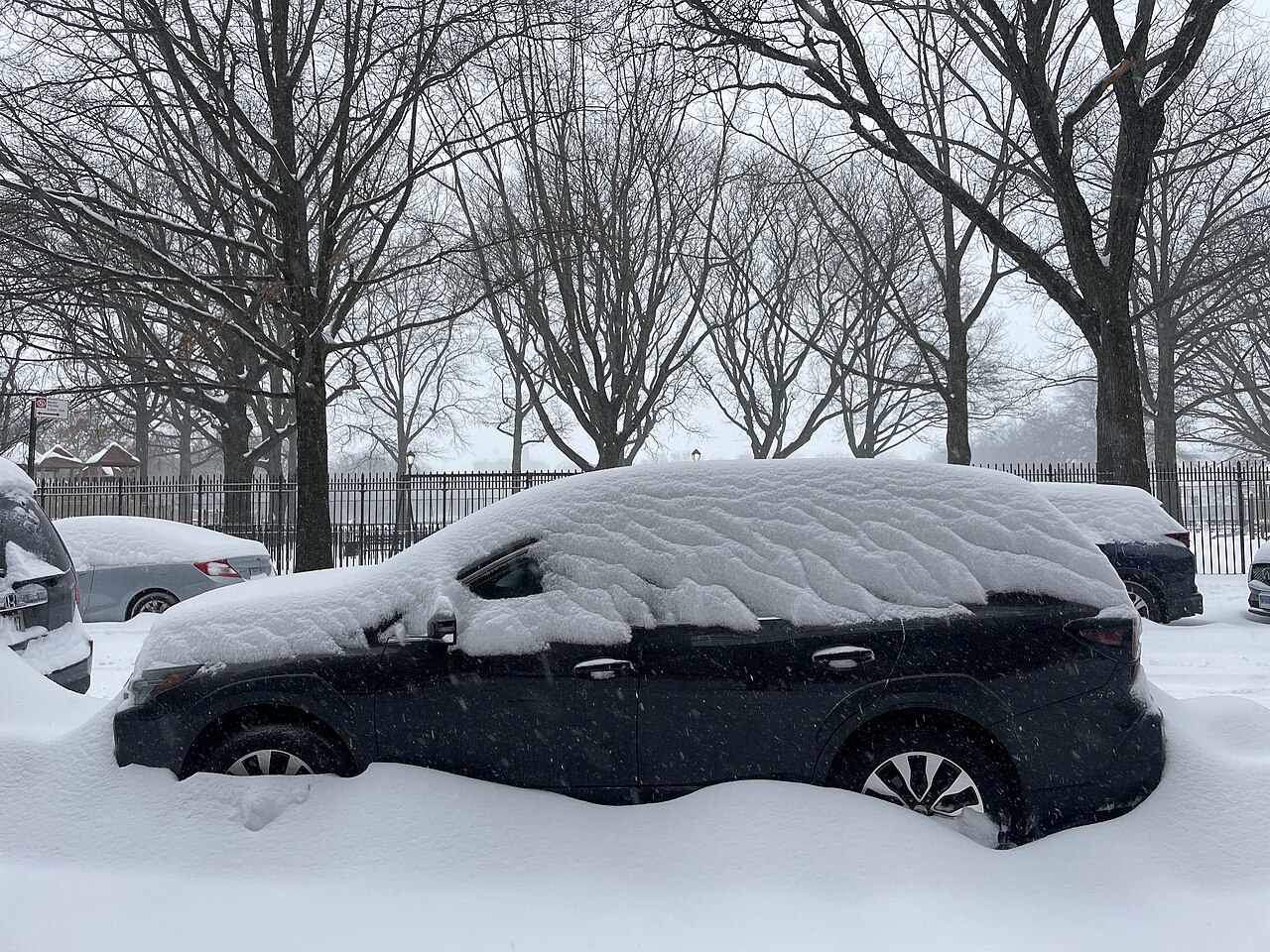
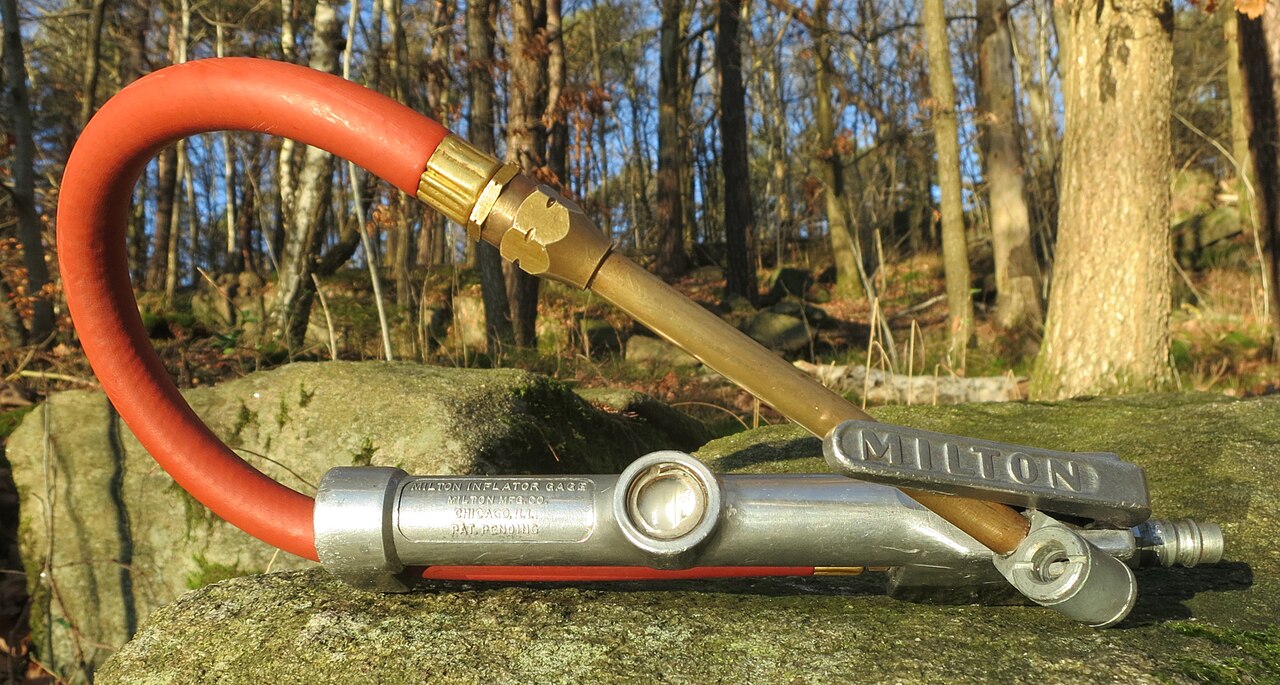
Check pressure at least once a month and before long trips, ideally when the tires are cold, meaning the car has been parked for a few hours. Temperature changes affect pressure noticeably, so seasonal shifts, especially the arrival of cold weather, are a good reminder to check. A reliable handheld gauge is inexpensive and more consistent than many gas station air pumps.
Most modern vehicles have a tire pressure monitoring system that warns when pressure drops significantly. These systems are useful, but they typically alert only after pressure has fallen well below the recommended level, so they are not a substitute for regular checks.
Rotate Tires Regularly
Tires on different positions of a vehicle wear at different rates. On front-wheel-drive cars, for example, the front tires handle steering and most of the drive force, so they often wear faster. Rotating tires moves them to different positions to even out wear across the set.
Many manufacturers recommend rotation at intervals somewhere in the range of 5,000 to 8,000 miles, but the right schedule depends on your vehicle and tires, so check the owner’s manual. Combining rotation with oil changes or other routine service makes it easy to remember.
A tire pressure gauge costs less than a tank of fuel, and a monthly check can add thousands of miles to a set of tires.
Watch Alignment and Balance
Wheel alignment refers to the angles at which tires meet the road. Hitting potholes, curbs or rough roads can knock alignment out of specification over time. Misalignment causes uneven wear, such as one edge of a tire wearing much faster than the other, and may make the vehicle pull to one side.
Balancing is different. It ensures weight is evenly distributed around the wheel and tire assembly. An unbalanced wheel can cause vibration, often felt through the steering wheel or seat at highway speeds, and can contribute to irregular wear.
Signs that alignment or balance may need attention include:
- The car drifting or pulling to one side on a straight, level road.
- A steering wheel that is off-center when driving straight.
- Vibration at certain speeds.
- Visible uneven wear patterns on the tread.
A service technician can diagnose and correct these issues, often in a single visit.
Drive With Tires in Mind
Driving habits have a direct effect on tire wear. Aggressive acceleration, hard braking and fast cornering all scrub rubber from the tread. Smooth, anticipatory driving is easier on tires, brakes and fuel economy alike.
A few habits that help:
- Accelerate gradually from stops.
- Look ahead and brake early and gently.
- Take corners at moderate speeds.
- Avoid potholes and curbs where it is safe to do so.
- Do not exceed the vehicle’s recommended load capacity.
Excess weight increases the load on tires and accelerates wear. Removing heavy items you do not need to carry, such as unused equipment in the trunk, is a small but useful step.
Know When Tires Need Replacing
Even with excellent care, tires eventually wear out. Tread depth is the main indicator. Many tires include tread wear indicator bars, small raised sections in the grooves that become flush with the tread surface when the tire is worn. A tread depth gauge provides a more precise reading.
The classic coin test offers a quick estimate: insert a coin into the tread grooves and see how much of it remains visible. If the tread is very shallow, it is time to consult a tire professional. Worn tires are particularly risky in wet conditions, where they are less able to channel water away and prevent hydroplaning.
Age matters as well. Rubber compounds degrade over time, even on tires with plenty of tread remaining, such as spare tires or those on infrequently driven vehicles. The manufacture date is printed on the sidewall, and many experts suggest having older tires inspected regularly. Look for cracks, bulges or other visible damage, which warrant immediate attention.
Storage and Seasonal Tires
Drivers who switch between winter and summer tires should store the off-season set properly. Clean them, keep them in a cool, dry place away from direct sunlight and sources of ozone such as electric motors, and store them either stacked flat or upright according to whether they are mounted on wheels.
The Takeaway
Extending tire life is not complicated. Check pressure monthly, rotate tires on schedule, address alignment issues promptly and drive smoothly. These habits not only stretch the time between replacements but also keep your vehicle safer and more efficient every mile you drive.