Car shoppers today face a choice that barely existed a generation ago: stay with a gasoline-electric hybrid or move fully to battery power. Both options can cut fuel costs and emissions compared with a conventional car, but they suit different drivers in different ways. The right answer depends less on headlines and more on your daily routine, your access to charging and how long you plan to keep the vehicle.
Understanding the Options
The term “electrified vehicle” covers several distinct technologies, and it helps to know the differences before visiting a dealership.
- Conventional hybrids pair a gasoline engine with an electric motor and a small battery that recharges through braking and the engine. They are never plugged in.
- Plug-in hybrids (PHEVs) have a larger battery that can be charged from an outlet, offering a limited electric-only range before the gasoline engine takes over.
- Battery electric vehicles (EVs) run entirely on electricity stored in a large battery and must be charged from external sources.
Each represents a different balance between convenience, running costs and reliance on charging infrastructure.
Daily Driving and Range
For many households, the deciding factor is how far they drive on a typical day. Most daily commutes and errands fall well within the range of modern EVs, and owners who charge at home often start every morning with a full battery. In that scenario, range anxiety tends to fade quickly.
Long-distance travel is a different matter. EV road trips are increasingly practical, but they require planning around fast-charging stops, which take longer than filling a fuel tank. Drivers who regularly cover long rural distances, tow heavy loads or travel through areas with sparse charging may find a hybrid more convenient.
Plug-in hybrids attempt to bridge the gap. Drivers with short commutes can handle many trips on electricity alone, while the engine removes concerns on longer journeys. The catch is that the benefits depend on plugging in regularly; a PHEV that is rarely charged behaves much like a heavier conventional hybrid.
The best electrified car is not the one with the biggest battery. It is the one that matches how you actually drive.
Charging Access Is the Key Question
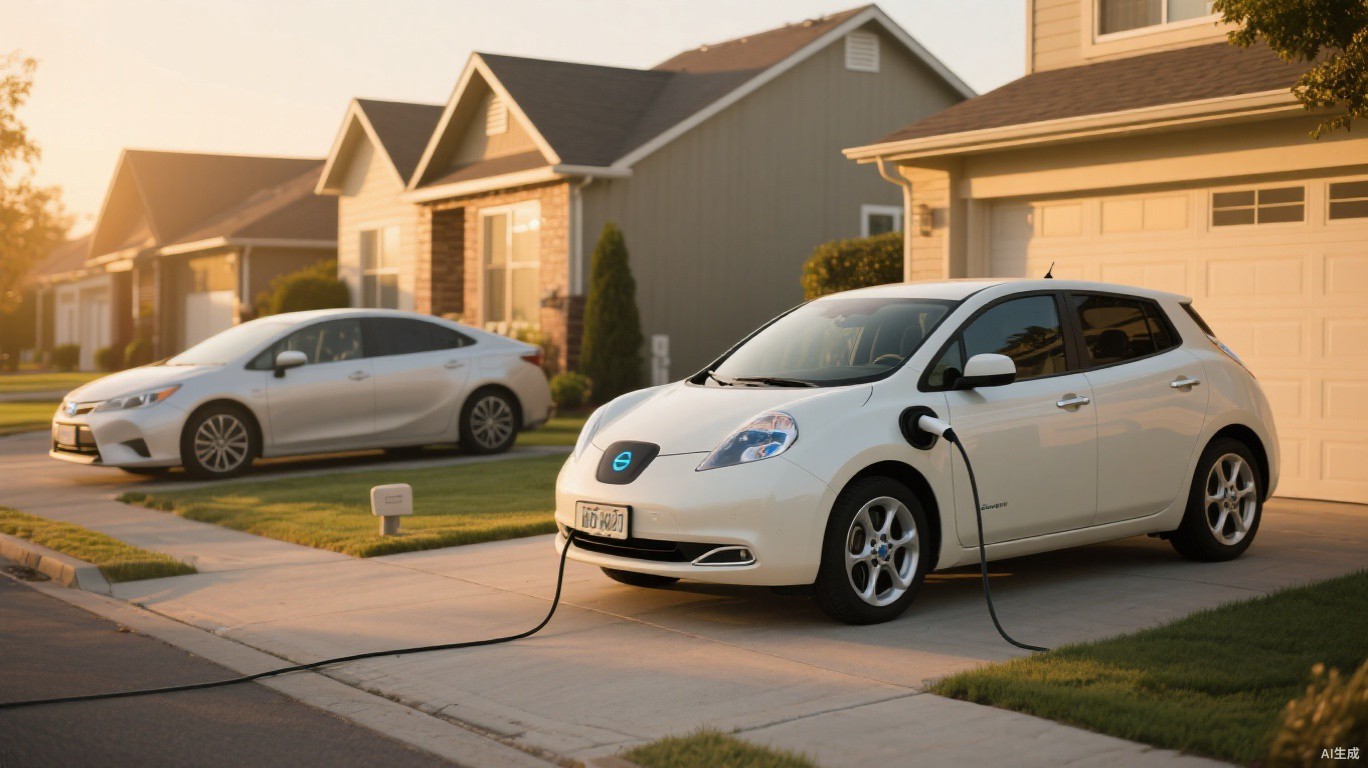
Home charging is the single biggest factor in EV satisfaction. Owners with a garage or driveway can install a dedicated home charger or, in some cases, use a standard outlet for slower overnight charging. This makes charging as routine as plugging in a phone.
Renters, apartment residents and people who rely on street parking face more complexity. Workplace charging and public networks can fill the gap, but relying solely on public fast charging can be less convenient and often more expensive per mile than charging at home. For these drivers, a conventional hybrid can offer many of the efficiency gains without the logistical challenge.
Comparing Costs Over Time
Sticker price is only one part of the cost picture. A useful comparison considers the total cost of ownership over the years you expect to keep the car. Key factors include:
- Purchase price and incentives: EVs often cost more upfront, though government incentives, where available, can narrow the gap. Eligibility rules vary and change over time.
- Energy costs: Electricity is often cheaper per mile than gasoline, especially with home charging, but local utility rates matter.
- Maintenance: EVs have fewer moving parts and no oil changes, while hybrids still need routine engine maintenance, though their brakes often wear more slowly thanks to regenerative braking.
- Insurance: Premiums vary by model and region, so it is worth getting quotes before buying.
- Resale value: Values for both EVs and hybrids can fluctuate with technology changes and market demand.
Running your own numbers based on your mileage, local energy prices and available incentives will give a far more accurate picture than general estimates.
Battery Life and Climate Considerations
Battery longevity is a common concern. Modern EV and hybrid batteries are designed to last many years, and manufacturers typically offer separate battery warranties. Gradual capacity loss is normal, but sudden failure is uncommon. Reviewing the warranty terms before purchase is a sensible step.
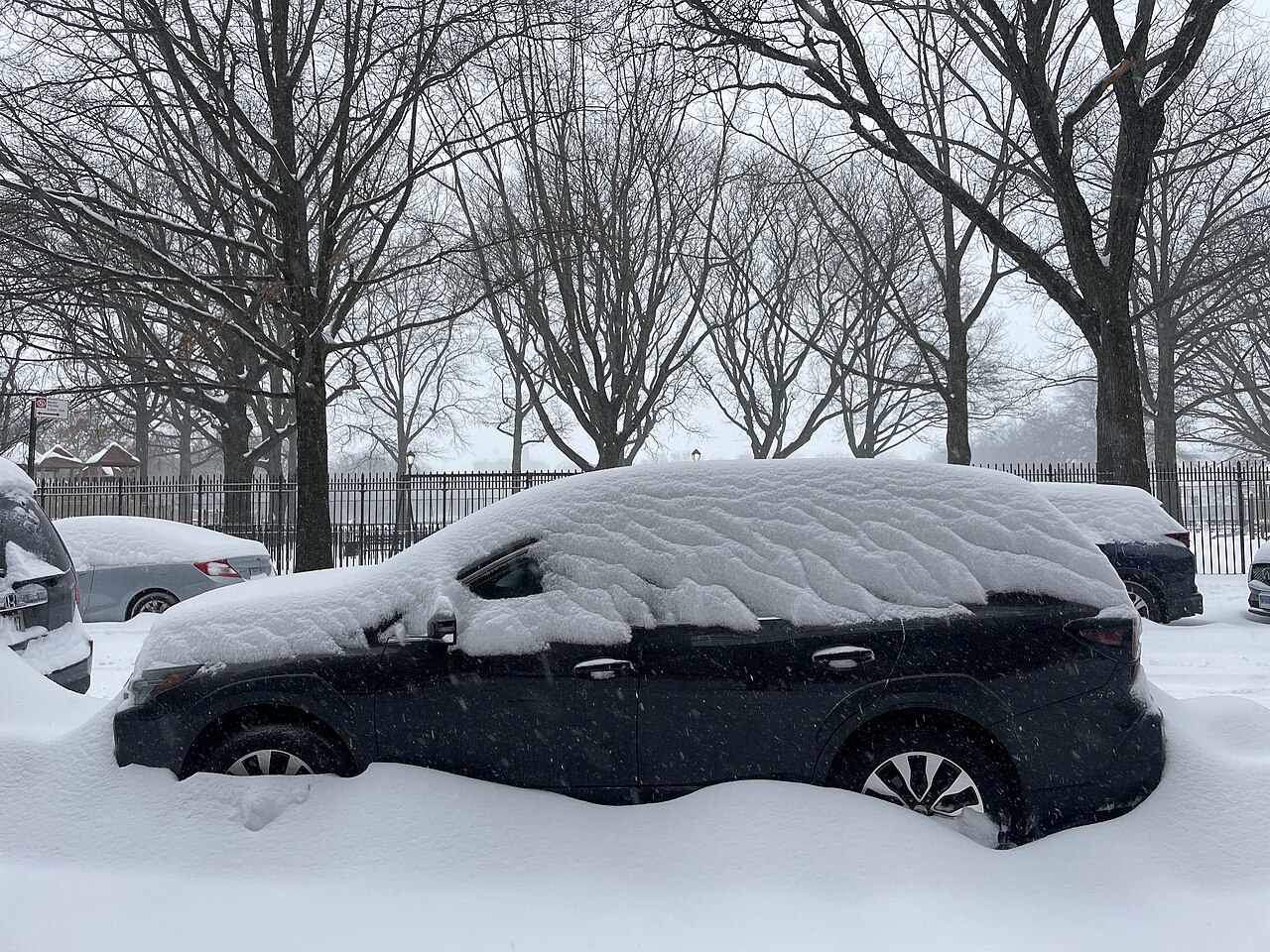
Climate also plays a role. Cold weather can noticeably reduce EV range, since batteries are less efficient in low temperatures and cabin heating draws energy. Features such as heat pumps and preconditioning while plugged in can help. Hybrids are less affected by cold, though their fuel economy also dips in winter.
Questions to Ask Before You Buy
Before committing, it helps to answer a few honest questions:
- How many miles do I drive on a typical day and in a typical year?
- Can I charge reliably at home or work?
- How often do I take long road trips, and where?
- Do I need to tow or carry heavy loads?
- How long do I plan to keep this vehicle?
A test drive of both types, ideally over your regular routes, can reveal differences in comfort, noise and driving feel that specifications cannot capture.
The Verdict
There is no universal winner in the EV versus hybrid debate. Drivers with reliable home charging and predictable daily mileage often find an EV a natural fit, while those with limited charging access or frequent long trips may be better served by a hybrid or plug-in hybrid. Focus on your real driving patterns, compare total costs rather than sticker prices, and choose the technology that fits your life rather than the one that dominates the conversation.