
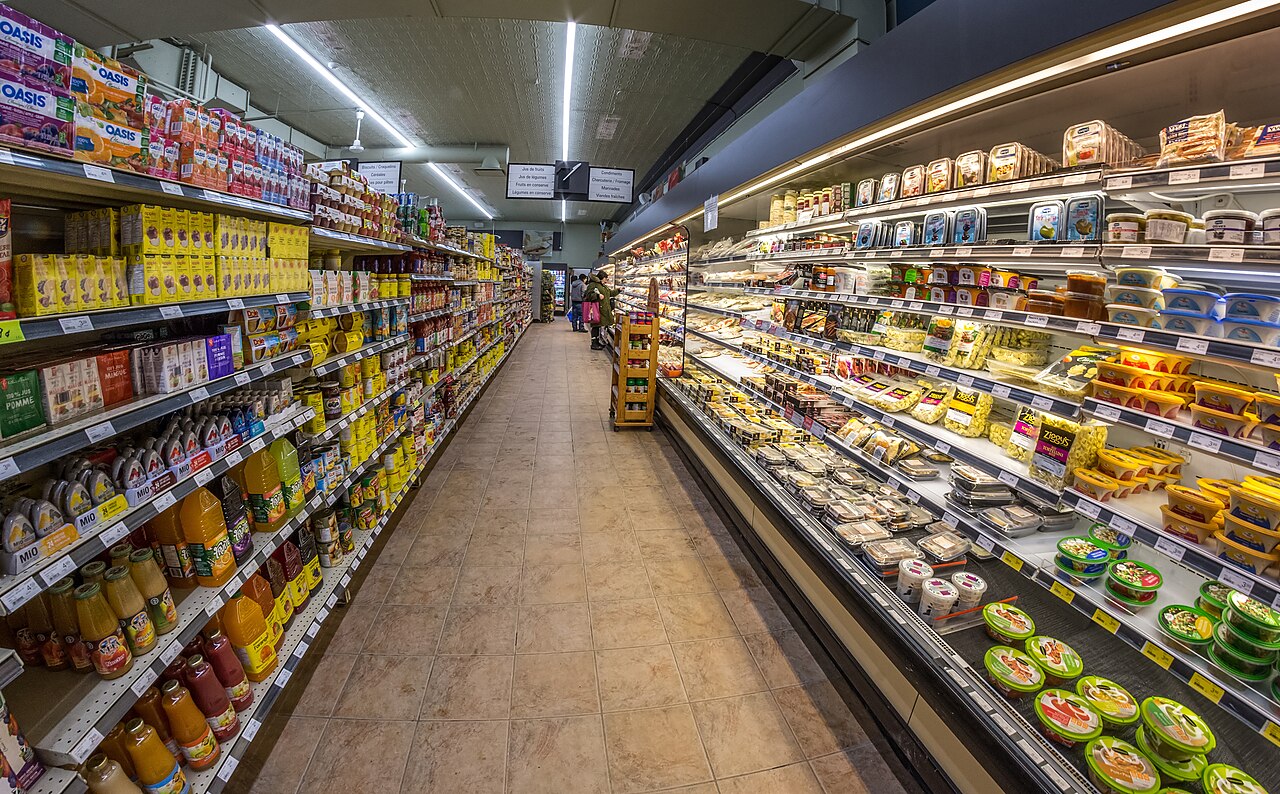
When the cost of ingredients, energy, shipping, and labor rises, businesses face a difficult choice. They can absorb the higher costs and accept thinner margins, or they can pass some of those costs on to customers. Most companies end up doing a mix of both, and the methods they use to adjust prices are often more subtle than simply raising the number on the tag.
Understanding these strategies can help consumers make more informed decisions and offers a window into how companies balance profitability with customer loyalty during periods of elevated inflation.
Why Simple Price Increases Are Risky
Raising prices directly is the most transparent response to higher costs, but it carries risks. Shoppers notice when a familiar item jumps in price, and some will switch to a competitor or a store brand. Prices also serve as psychological anchors; a product that has cost a certain amount for years becomes associated with that number in customers’ minds.
For these reasons, businesses often look for ways to adjust their pricing that feel less jarring. Some approaches change what customers receive, others change how options are presented, and still others focus on reducing costs behind the scenes.
Shrinkflation and Package Redesign
One of the most widely discussed tactics is shrinkflation, in which a product’s size or quantity decreases while its price stays the same or rises slightly. A bag of snacks might contain fewer ounces, a roll of paper towels might have fewer sheets, or a bottle of detergent might deliver fewer loads.
Manufacturers argue that downsizing allows them to keep products at familiar price points, which some customers prefer. Critics counter that it can be hard for shoppers to notice, making it effectively a hidden price increase. Consumer advocates generally recommend comparing unit prices, the cost per ounce, per sheet, or per item, which many stores display on shelf labels.
A related practice is sometimes called skimpflation, where the product’s quality or service level declines rather than its size. Examples might include changes to ingredients, reduced customer service hours, or fewer included features.
“Most shoppers look at the price tag first. The unit price is where the real story is, and it’s usually printed right there in smaller type,” said a consumer economist at a university in Ohio.
Tiering and Good-Better-Best Lineups
Another common strategy is expanding product tiers. Rather than offering a single version of a product, a company might introduce a basic option at a lower price alongside its standard and premium versions. This structure, often called good-better-best, lets cost-conscious customers trade down without leaving the brand, while others continue paying more for added features.
Tiering appears across many industries:
- Restaurants adding smaller portions or value menus alongside regular offerings
- Airlines selling basic fares that exclude seat selection or carry-on bags
- Software companies offering limited free or entry-level plans
- Hotels unbundling amenities such as breakfast or parking
- Grocery retailers expanding store-brand lines at multiple quality levels
Unbundling, in particular, allows a business to keep a headline price low while charging separately for items that were once included. For consumers, this can be beneficial if they do not need the extras, but it also makes comparing total costs more complicated.
Dynamic and Surcharge Pricing
Some businesses have adopted more flexible pricing that changes based on demand, time, or input costs. Digital price labels in some stores make it easier to adjust prices frequently. Restaurants and service providers may add temporary surcharges tied to fuel or ingredient costs, which they can remove when conditions ease.
Surcharges can be a transparent way to signal that a cost increase is linked to specific pressures. However, if they become permanent or multiply, customers may view them as frustrating add-ons. Clear communication tends to determine whether such fees are accepted or resented.
Cutting Costs Behind the Scenes
Not every inflation response involves the customer directly. Many companies look first at their own operations, renegotiating supplier contracts, simplifying product ranges to reduce complexity, investing in energy efficiency, or redesigning packaging to lower shipping costs. Reducing the number of product variations, for example, can lower manufacturing and inventory expenses without changing what loyal customers buy.
These efforts may not eliminate the need for price changes, but they can reduce how much companies need to pass along.
Practical Takeaways for Shoppers
Consumers have several tools to navigate these strategies. A few habits can make a meaningful difference:
- Compare unit prices rather than package prices when choosing between products
- Consider store brands, which often compete closely with name brands on quality
- Review the total cost of a purchase, including add-on fees and surcharges
- Watch for package size changes on frequently purchased items
The Balancing Act
Inflation forces businesses into a constant balancing act between protecting margins and preserving customer trust. The most durable strategies tend to be those that are transparent and give customers real choices, rather than relying on changes that shoppers might not notice. When costs eventually stabilize, the companies that treated customers fairly during periods of rising prices are often best positioned to keep their loyalty.