
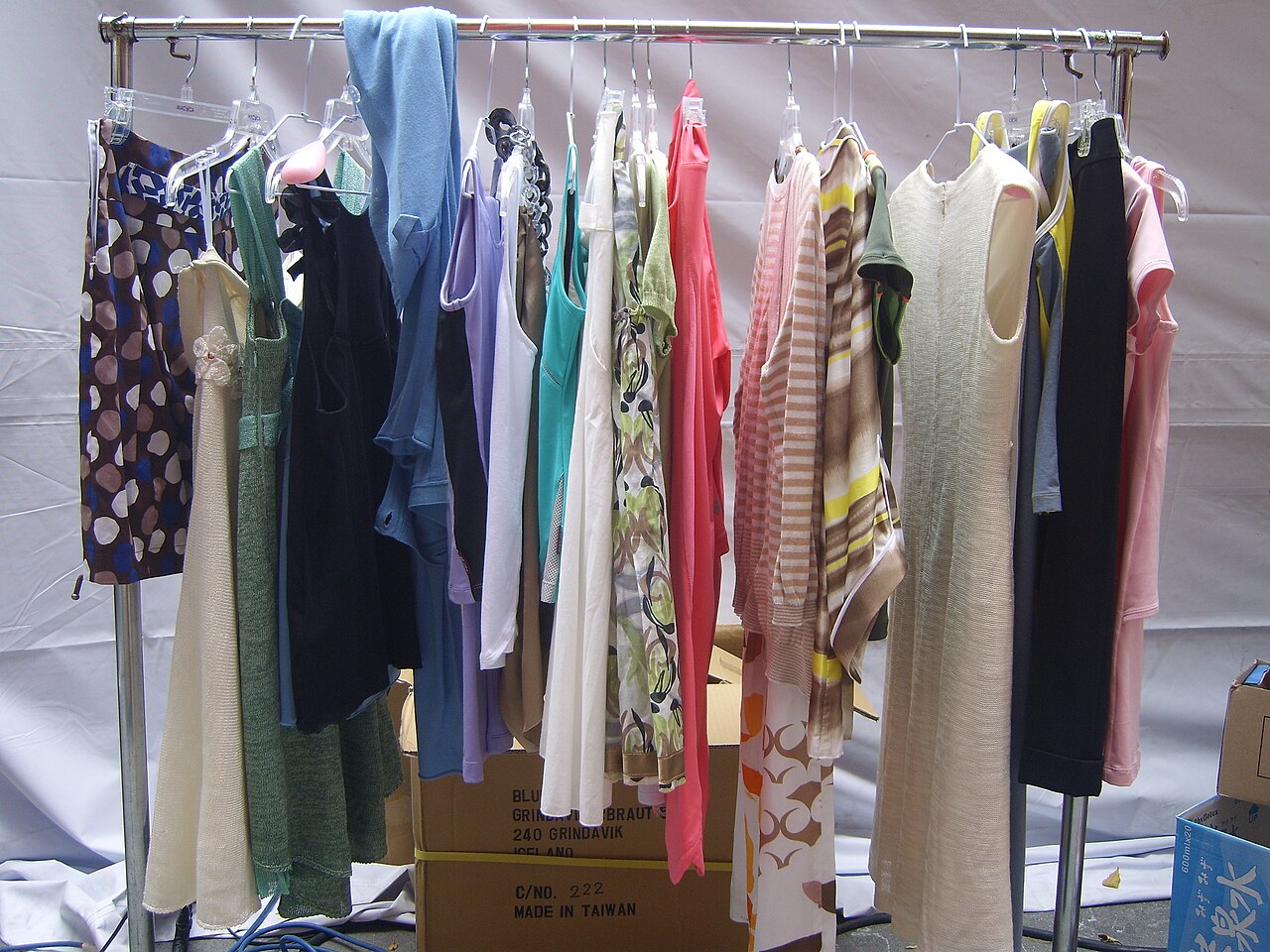
Sustainable fashion is often presented as something only affordable to people who can spend heavily on premium brands. In reality, many of the most effective ways to reduce the environmental impact of clothing also happen to save money. Buying fewer items, choosing them carefully, and keeping them in use longer are habits available to almost anyone, whatever their budget.
Why Clothing Choices Matter
The fashion industry relies on large amounts of water, energy, and raw materials, and the rise of rapidly changing trends has encouraged people to buy more garments and wear each one fewer times. Many inexpensive pieces are discarded after a short life, and a significant share of textiles ends up in landfill or incineration rather than being reused or recycled.
The most sustainable garment is usually the one that already exists. Every time a piece of clothing is worn again rather than replaced, the resources used to make it are spread over a longer life. That simple idea shapes nearly every practical strategy for a greener wardrobe.
Start With What You Already Own
Before buying anything, take stock of your current wardrobe. Many people discover they own items they had forgotten about, pieces that need only a small repair, or clothes that could be restyled in new combinations.
A useful exercise is to sort clothing into a few groups:
- Wear often: the pieces you reach for repeatedly and feel good in.
- Needs attention: items with missing buttons, loose hems, or minor damage that could be fixed.
- Rarely worn: clothes that do not fit well, do not match anything, or no longer suit your style.
- Ready to pass on: items in good condition that someone else would use more.
The “wear often” group reveals what genuinely works for you, including colors, cuts, and fabrics. That information is the best shopping guide you will ever have, because it reduces the risk of buying something that ends up unworn.
Buy Less, Choose Better
When you do need something new, slowing down is the most powerful tool. Waiting a few days before buying a non-essential item helps separate genuine needs from passing impulses. Many people find that the urge fades.
The question to ask is not whether a garment is cheap or ethical on the label, but whether you will realistically wear it dozens of times.
Thinking in terms of cost per wear is helpful. A well-made jacket worn every winter for years can end up far cheaper per use than a bargain piece that loses its shape after a few washes. When evaluating quality, check for even stitching, generous seam allowances, sturdy zippers, and fabrics that feel substantial rather than thin. Natural fibers and durable blends often wear better over time, although care requirements vary.
Versatility matters too. Pieces in colors that coordinate with most of your wardrobe can be worn in more combinations, which means you need fewer items overall.
Secondhand, Swaps, and Rentals
Secondhand shopping has become far more accessible. Charity shops, consignment stores, vintage markets, and online resale platforms offer a wide range of clothing, often at a fraction of the original price. To make the most of it:
- Know your measurements, since sizing varies widely across brands and decades.
- Inspect items carefully for stains, odors, worn elbows, and damaged linings.
- Shop with a short list of needed items to avoid accumulating bargains you do not need.
- Visit regularly, as stock changes frequently in physical stores.
Clothing swaps with friends, neighbors, or community groups are another low-cost option. They allow you to refresh your wardrobe while giving unworn pieces a new home. For special occasions such as weddings or formal events, renting or borrowing an outfit can make more sense than buying something you may wear only once.
Make Clothes Last Longer
Care habits have an outsized effect on how long garments survive. Washing clothes less often, using cooler water, and air-drying instead of using a tumble dryer can reduce wear on fabrics and lower energy use. Turning garments inside out before washing helps protect colors and prints, and using a mesh bag for delicate items reduces snagging.
Basic mending skills are worth learning. Sewing on a button, fixing a small seam, or patching a hole requires only a needle, thread, and a little patience, and many tutorials explain the techniques step by step. For more complex repairs, local tailors and cobblers can extend the life of quality garments and shoes at a reasonable cost.
When an item truly reaches the end of its useful life, look for textile recycling points rather than placing it in household waste. Worn-out cotton can also be cut into cleaning cloths.
Conclusion
A sustainable wardrobe is built gradually through everyday decisions rather than a single shopping trip. Use what you have, buy thoughtfully, embrace secondhand options, and care for clothing so it lasts. These habits reduce waste and, just as importantly for many households, leave more money in your pocket.