
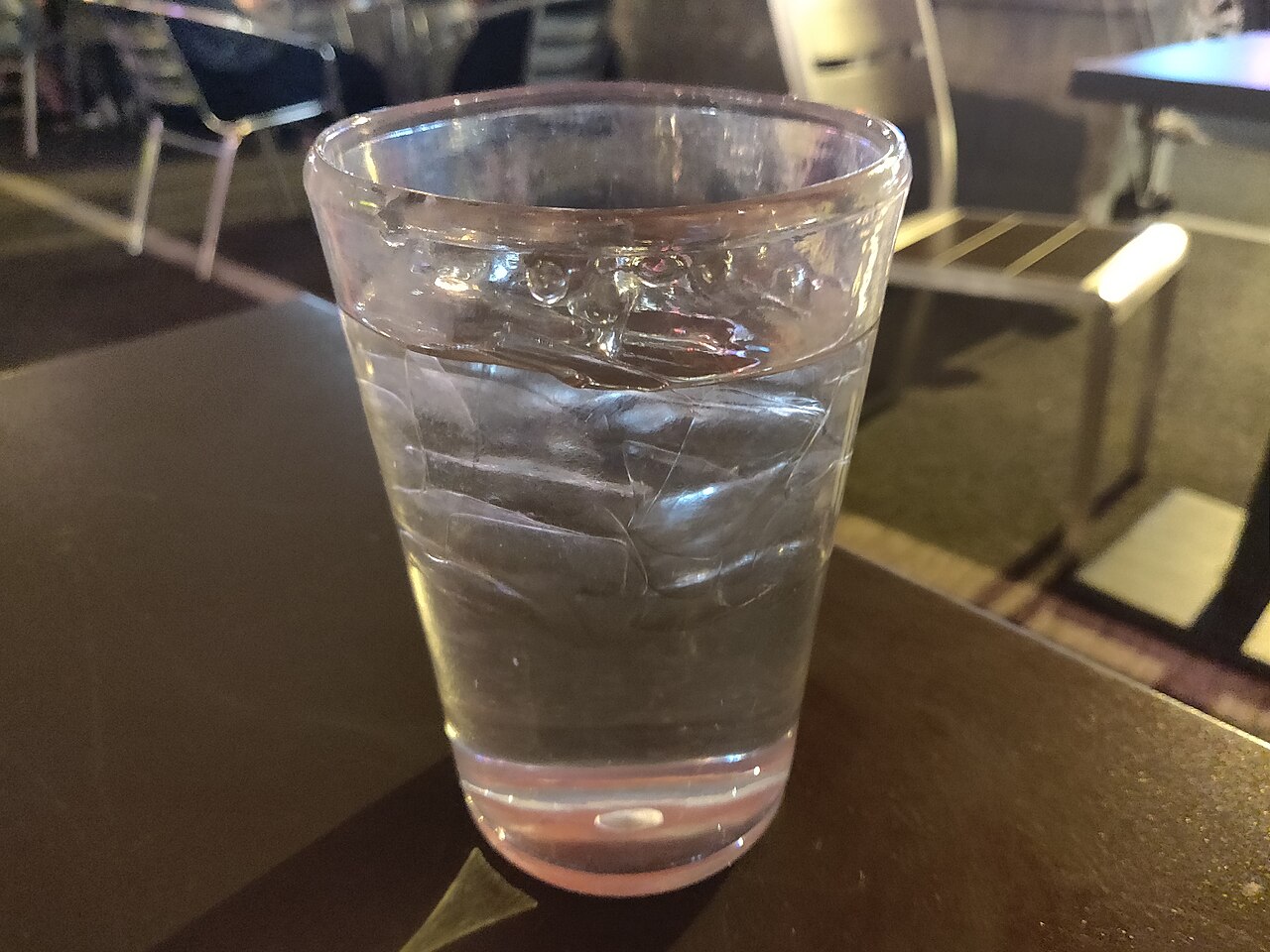
Few health topics generate as much confident advice as hydration. Friends, fitness apps and social media all have opinions on how much water to drink, when to drink it and what counts. Some of that advice is helpful; some is exaggerated or simply wrong. Understanding the basics can take the guesswork out of staying hydrated without turning it into a chore.
Why Hydration Matters
Water is involved in nearly every process in the body. It helps regulate temperature, transports nutrients, cushions joints and supports the removal of waste. Even mild dehydration can leave people feeling tired, unfocused or headachy, and more serious dehydration can be dangerous, particularly for older adults, young children and people working or exercising in heat.
At the same time, the body is remarkably good at managing its fluid balance. For most healthy adults, thirst is a reliable signal, and normal eating and drinking patterns cover daily needs. The challenge is separating genuine guidance from myths that create unnecessary worry.
Myth: Everyone Needs Eight Glasses a Day
The “eight glasses of water a day” rule is easy to remember, which may explain its staying power. But it is a rough rule of thumb rather than a precise requirement. Fluid needs vary widely based on body size, activity level, climate, diet and overall health.
It also overlooks the fact that water comes from many sources. Other beverages count toward fluid intake, and a significant portion of daily water typically comes from food. Fruits and vegetables such as watermelon, cucumbers, oranges and lettuce are particularly water-rich, as are soups and many cooked grains.
A more practical approach is to drink regularly through the day, respond to thirst and increase intake when circumstances demand it.
Myth: Coffee and Tea Dehydrate You
Caffeine has a mild diuretic effect, which led to the long-standing belief that coffee and tea cause dehydration. For people who drink them regularly, however, the fluid in these beverages generally outweighs any modest increase in urine output. In moderate amounts, they can contribute to daily fluid intake.
That said, caffeine affects people differently, and too much can cause jitteriness or interfere with sleep. Water remains a simple, calorie-free choice for most of your fluids.
The goal is not to hit a magic number, but to drink steadily, listen to your body and adjust for heat, activity and health.
Fact: Urine Color Is a Useful Clue
One of the simplest ways to check hydration is to look at urine color. Pale yellow generally indicates adequate hydration, while dark yellow or amber may suggest you need more fluids. Very clear urine all day can indicate you are drinking more than necessary.
Keep in mind that some vitamins, foods and medications can change urine color, so this is a general guide rather than a precise test.
Fact: Some Situations Call for More Fluids
Certain circumstances increase fluid needs and deserve extra attention:
- Hot or humid weather, which increases sweating even at rest.
- Exercise, especially long or intense sessions.
- Illness involving fever, vomiting or diarrhea.
- High altitude, where breathing and dry air increase fluid loss.
- Pregnancy and breastfeeding, which raise overall fluid requirements.
- Older age, since the sense of thirst can become less sensitive over time.
A sports dietitian who works with recreational runners in Arizona recommends planning fluids before long outdoor workouts rather than relying on thirst alone in extreme heat. For lengthy or very sweaty exercise, replacing electrolytes such as sodium may also be important, and sports drinks or salty snacks can play a role.
Myth: You Can’t Drink Too Much Water
Overhydration is uncommon, but it is possible. Drinking very large amounts of water in a short time, particularly during endurance events, can dilute sodium levels in the blood. This condition, called hyponatremia, can cause nausea, confusion and, in severe cases, serious complications.
For everyday life, this is rarely a concern. But it is a reminder that more is not always better. Forcing down water beyond thirst, especially during prolonged exercise, is not a reliable path to better health.
Myth: Thirst Means You’re Already Dehydrated
You may have heard that by the time you feel thirsty, you are already significantly dehydrated. For most healthy people in ordinary conditions, thirst is an early and appropriate signal to drink, not a sign of harm already done. The exceptions are older adults, people with certain medical conditions and those in extreme heat or heavy exertion, who may need to drink more proactively.
Simple Habits for Everyday Hydration
Staying hydrated does not require tracking every sip. A few easy habits cover most needs:
- Keep a refillable water bottle nearby at work or on the go.
- Drink a glass of water with each meal.
- Include water-rich fruits and vegetables in your diet.
- Drink extra before, during and after exercise or time in the heat.
- Choose water more often than sugary drinks.
People with kidney, heart or other medical conditions may have specific fluid guidelines and should follow the advice of their healthcare provider.
The Takeaway
Hydration does not need to be complicated. Most healthy adults can rely on thirst, regular meals and a sensible daily routine. Pay closer attention in heat, during exercise and when unwell, and be wary of rigid rules or claims that water alone can transform your health. Steady, sensible habits are what matter most.
This article is for general information only and is not a substitute for professional medical advice.