Scientific discovery is often imagined as the work of specialists in laboratories and observatories. Yet some of the most valuable data in fields such as ecology, astronomy, and climate science comes from ordinary people with a smartphone, a notebook, or a few spare minutes online. This collaborative approach, known as citizen science, invites members of the public to take part in genuine research.
Participation requires no advanced degree. What matters is curiosity, attention to detail, and a willingness to follow a project’s guidelines. In return, volunteers gain a closer connection to the natural world and to the process of science itself.
What Citizen Science Is
Citizen science refers to research in which members of the public help collect, process, or analyze data. The idea is far from new. Amateur naturalists and astronomers have contributed observations for centuries, and long-running bird counts organized by volunteers have produced records spanning many decades.
What has changed is scale. Smartphones with cameras and GPS, along with online platforms, now allow millions of people to contribute observations and analysis from anywhere. Researchers can gather data across entire continents, far beyond what any single team could achieve on its own.
For scientists, the benefits are clear. Volunteers can cover vast geographic areas, notice rare events, and process enormous datasets that would overwhelm small research groups. Many projects have produced findings published in peer-reviewed journals.
Types of Projects You Can Join
Citizen science spans a wide range of activities, suited to different interests and amounts of time. Common categories include:
- Wildlife and plant observation: photographing and identifying species in a backyard, park, or local trail and uploading records to biodiversity databases
- Bird counts: participating in seasonal or annual surveys that track bird populations and migration
- Online classification: sorting images of galaxies, wildlife camera footage, or historical documents through web-based platforms
- Weather and climate monitoring: measuring rainfall, recording snow depth, or noting when plants leaf out and flower each season
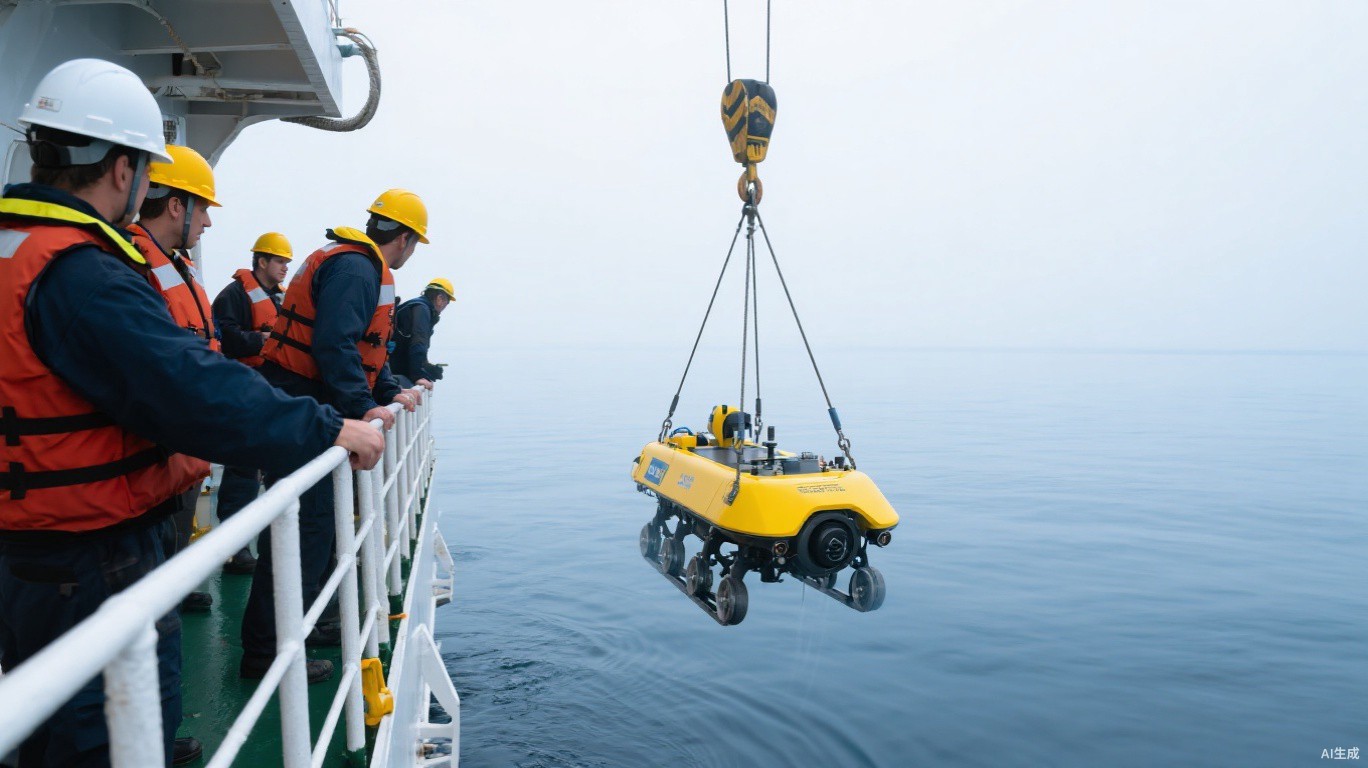
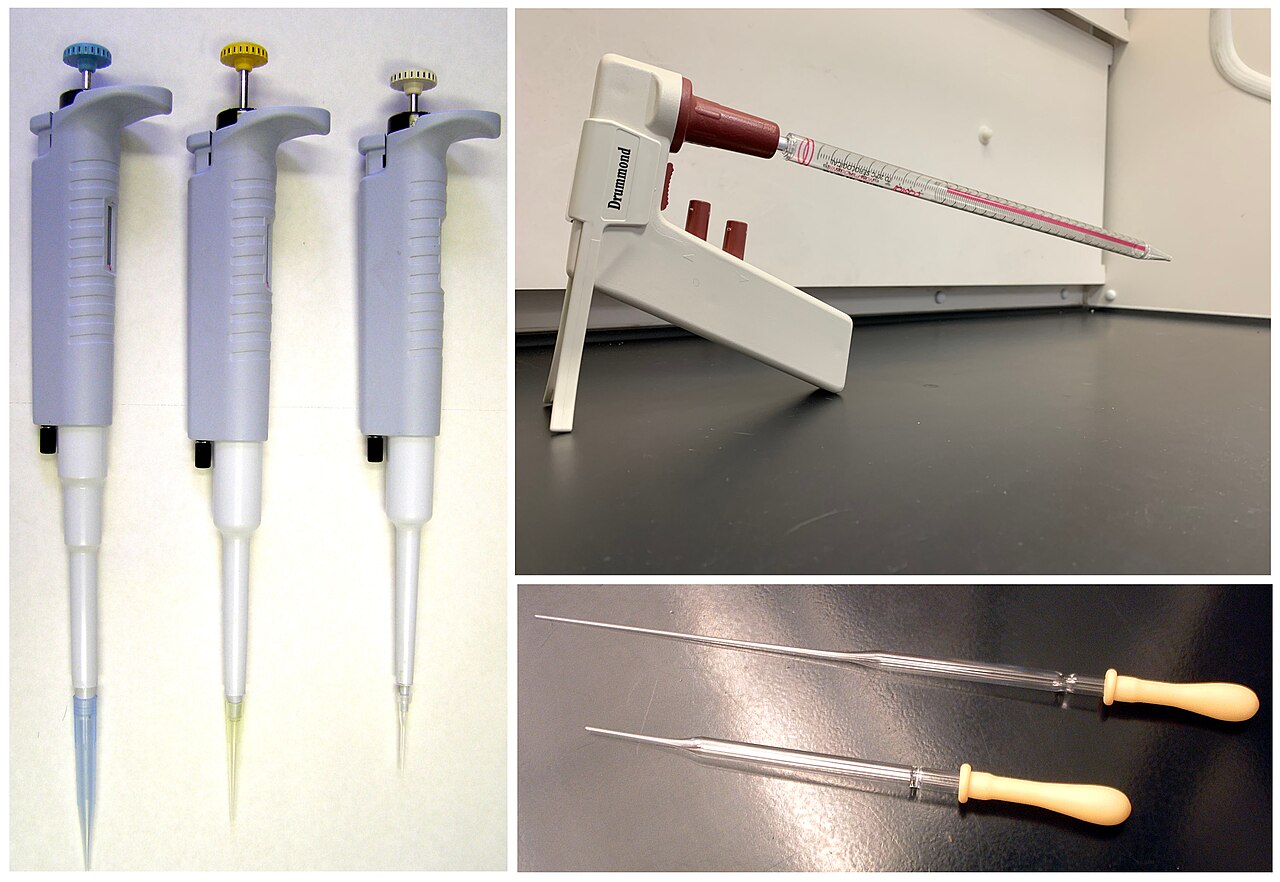
- Water quality testing: collecting samples from local streams and lakes to monitor environmental health
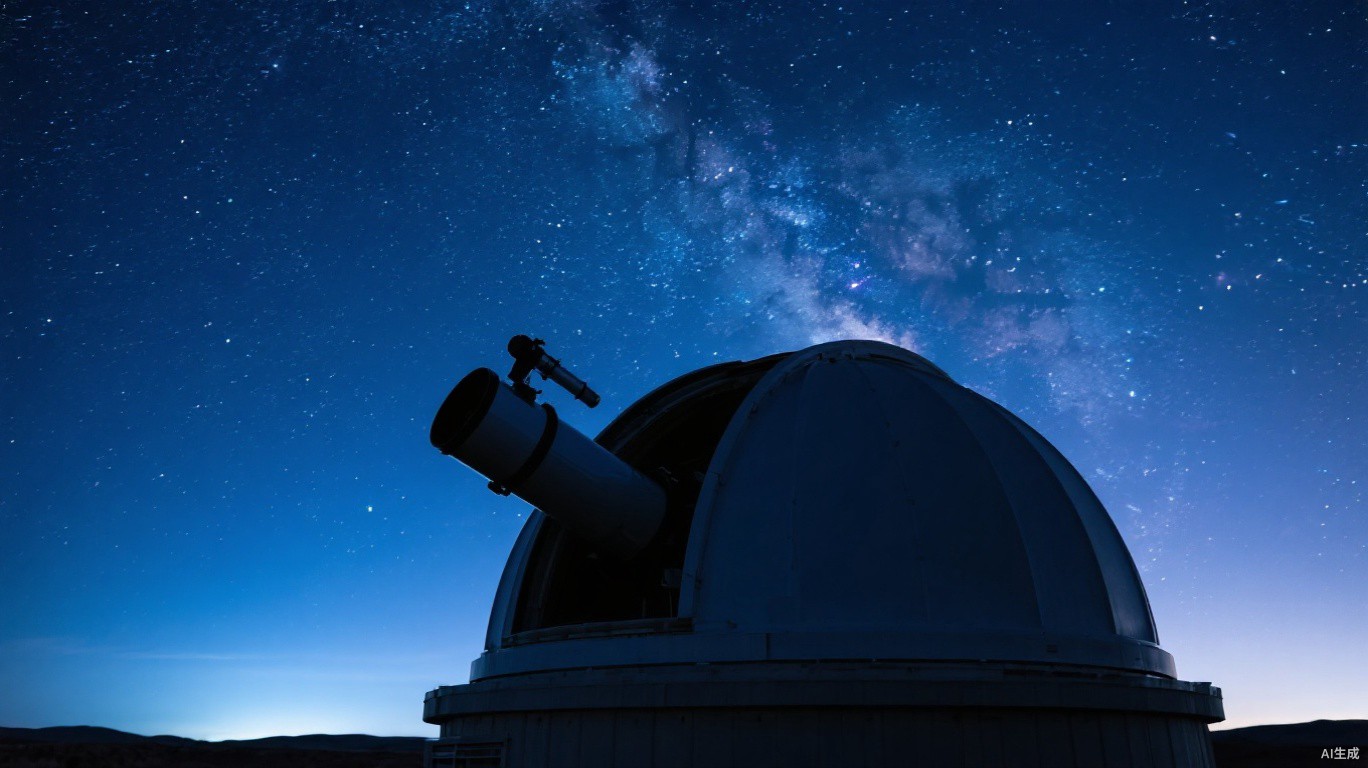
- Night sky observations: reporting meteors, variable stars, or the level of light pollution in a neighborhood
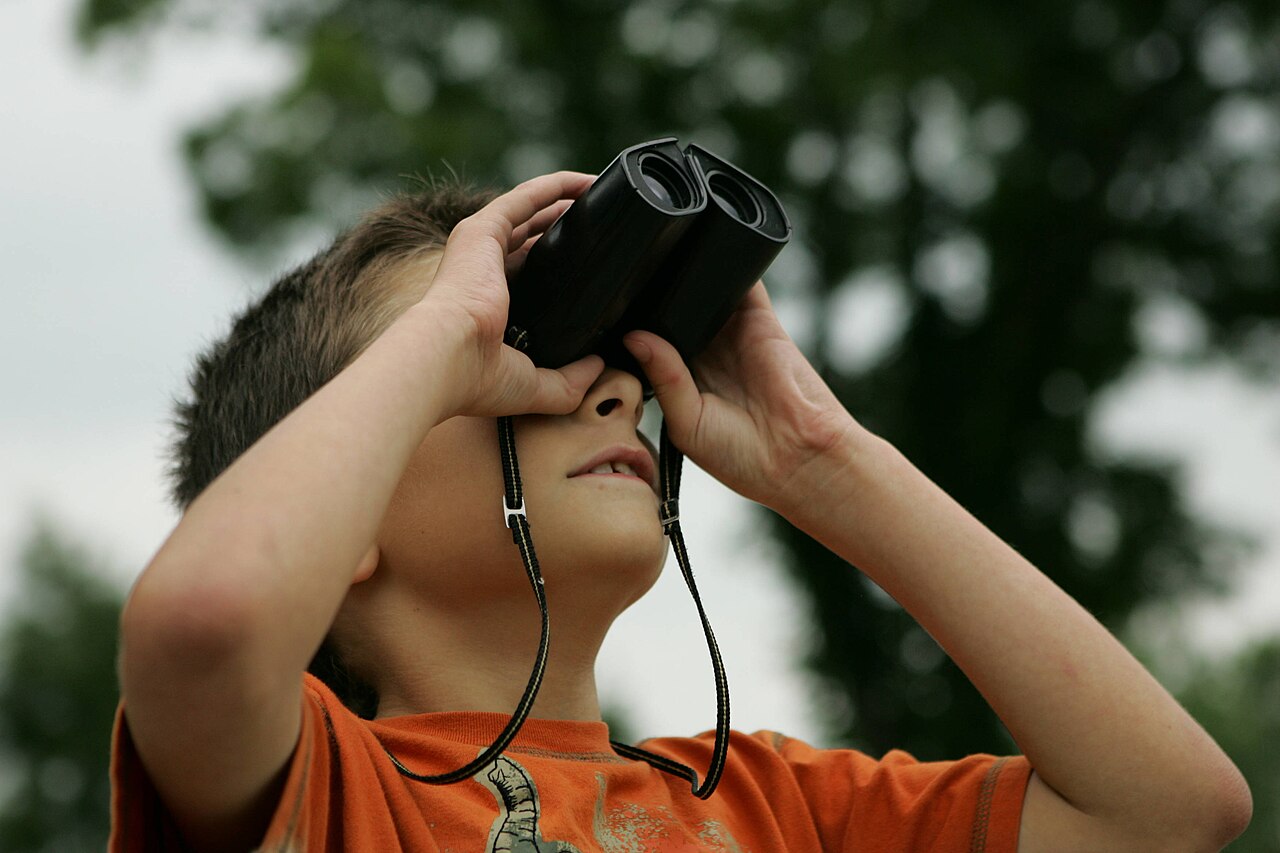
Many online projects require only a web browser. Field projects may involve simple equipment like binoculars, a rain gauge, or a basic water testing kit.
“Volunteers see things we would never catch on our own simply because they’re out there, every day, in places we can’t visit,” said a field ecologist working with a regional conservation group in Oregon.
How Volunteer Data Becomes Science
A common question is whether data collected by non-specialists can be trusted. Well-designed projects address this through several methods.
Clear protocols tell volunteers exactly what to record and how. Training materials, tutorials, and identification guides help participants improve their skills. Many platforms show the same image to multiple volunteers and combine their answers, so that individual errors are balanced out by the consensus. Experts review unusual or unexpected observations before they are accepted.
Statistical techniques also help researchers account for patterns in how data are collected, such as the tendency for more observations to come from populated areas or popular weekends. With these safeguards, large volunteer datasets can reveal trends that would otherwise remain invisible, such as shifts in species ranges or changes in the timing of seasonal events.
Why It Matters Beyond the Data
Citizen science offers benefits that extend beyond research results. Participants often report learning a great deal about their local environment, from recognizing bird calls to understanding watershed health. Teachers use citizen science projects in classrooms to give students hands-on experience with real scientific methods.
Projects can also strengthen communities. Local monitoring efforts sometimes bring neighbors together around shared concerns, such as the health of a river or the presence of pollinators in urban gardens. Data gathered by volunteers can inform local conservation decisions and land management.
Perhaps most importantly, citizen science helps demystify research. Seeing how data are collected, checked, and interpreted can build public understanding of how scientific knowledge is produced.
Getting Started
Joining a project is usually straightforward. A few steps can help newcomers find a good fit:
- Choose an area of interest, whether birds, plants, stars, weather, or history
- Search for projects through established citizen science directories, museums, universities, or nature organizations
- Read the project’s instructions carefully and complete any tutorials offered
- Start small, contributing regularly rather than trying to do everything at once
Volunteers should also respect safety and privacy guidelines, such as staying on public land, avoiding disturbance to wildlife, and following any rules about sharing locations of sensitive species.
A Shared Pursuit
Citizen science reflects a simple but powerful idea: that understanding the world is a shared endeavor. Whether it is a single bird sighting, a rainfall measurement, or a few minutes spent classifying galaxies, each contribution adds to a larger picture. For anyone who has wondered how to take part in discovery, the opportunity may be as close as the backyard or the browser.